Slab Leak Repair in Zephyrhills
A wide mix of housing stock — established mid-century neighborhoods near downtown, several large age-restricted manufactured-home communities, and newer single-family subdivisions on the edges of town.
View
Slab Leak Repair · Pasco County
A slab leak is a pipe leaking under the concrete floor, usually found from a hot spot on the slab, an unexplained water bill, or the sound of running water with every fixture off. We locate the leak electronically before any concrete is cut, then repair or reroute the line.
What this involves
A slab leak is a supply or drain line leaking underneath a home's concrete foundation, and it gets found before anything gets cut, not after. Electronic listening equipment traces the sound of escaping water through the slab, and thermal imaging can show a warm patch on the floor where a hot water line is leaking below it. Between the two, we can usually locate a slab leak within a small, specific area rather than an entire room.
Once the leak is located, there are generally two paths: cut a small access point in the slab directly over the leak and repair that section of pipe, or reroute the water line entirely through an accessible path — typically the attic — bypassing the damaged section of pipe under the slab rather than repairing it in place. Which one makes sense depends on the pipe's age, material, and how many leaks the same line has already had.
All work is performed by Zephyrhills Plumbing Pros [PLACEHOLDER — CONFIRM WITH CLIENT], a licensed Florida plumbing contractor — license LIC# PENDING.Zephyrhills Plumbing is the local lead service for Pasco County.
Materials
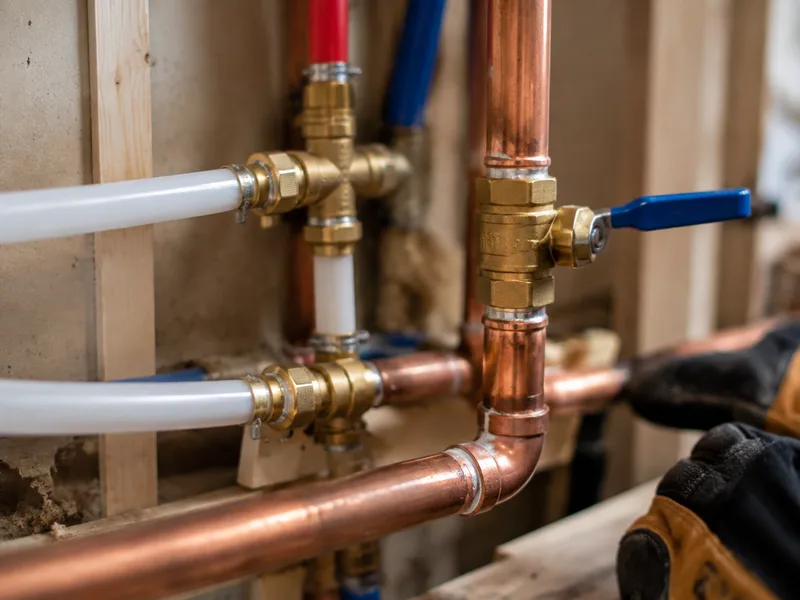
Detection uses acoustic and thermal equipment rather than exploratory cutting. Where a direct spot repair makes sense, the access opening is kept as small as possible and the section of pipe is replaced in copper or PEX to match the existing line. Where rerouting is the better option — usually on an older home with copper or galvanized supply lines showing more than one leak — the new line runs through the attic or an accessible wall path, avoiding the slab entirely for that run.
How the job runs
We ask where you have noticed the warm spot, sound, or water bill increase.
We use listening and thermal equipment to locate the leak within a small, specific area.
You get a scope explaining whether a spot repair or a reroute is the better option, and why.
The repair is completed with the smallest disturbance to the slab that the method allows.
We pressure test the repaired or rerouted line to confirm the leak is fully resolved.
What drives the price
A single, accessible spot repair is the smaller job. A reroute through the attic costs more up front but avoids cutting the slab and reduces the odds of a second leak turning up nearby on the same aging line shortly after. We explain the trade-off specific to your situation once the leak is located, rather than defaulting to one method regardless of what makes sense for the pipe.
Why Florida is different
Slab-on-grade construction is the standard foundation across nearly all of Pasco County's newer subdivisions, which means the supply lines for most homes built from the 1970s onward run under the concrete rather than through a basement. Copper pipe from that era is now reaching the age where pinhole leaks under a slab become more common, which is why slab leak calls trend older in the housing stock even as the county's overall construction has grown newer.
By community
A wide mix of housing stock — established mid-century neighborhoods near downtown, several large age-restricted manufactured-home communities, and newer single-family subdivisions on the edges of town.
ViewAlmost entirely newer construction — slab-on-grade homes with PEX or CPVC supply lines, though the oldest of these subdivisions are now old enough that first-generation water heaters and fixtures are reaching replacement age together.
ViewOlder homes close to downtown with decades of prior plumbing work layered into them, alongside rural acreage on the outskirts where well systems and septic tanks are common instead of municipal service.
ViewModest older homes on quiet streets, many with original cast iron or galvanized supply lines that have never been fully updated, plus newer infill construction scattered through town.
ViewNewer subdivisions and golf communities built around the lakes, plus older rural properties further out where well water is common and hard water scale is a routine issue for water heaters and fixtures.
ViewEstablished neighborhoods from the 1950s through 1980s make up most of the housing stock, which means original cast iron drain lines, galvanized supply pipe, and aging water heaters are far more common here than in the newer parts of the trade area.
ViewA mix of older lake-cottage-style homes, larger acreage properties on private well and septic, and newer subdivisions built in over the last fifteen years.
ViewA compact mix of older single-family homes and smaller rental properties serving the university community, most on municipal water and sewer.
ViewLow-density rural properties, ranchettes and acreage, almost entirely on private well and septic rather than municipal service.
ViewStraight answers
It depends on what we find once we diagnose the actual cause, which is why we inspect first and price in writing. You will never get a number over the phone that changes once we are on site.
Usually within a few days for the diagnosis, and we will give you a written scope and a date before anything begins.
Zephyrhills Plumbing Pros [PLACEHOLDER — CONFIRM WITH CLIENT], a licensed Florida plumbing contractor, license LIC# PENDING.