Water lines
Is It a Water Line Leak or a Sewer Line Problem?
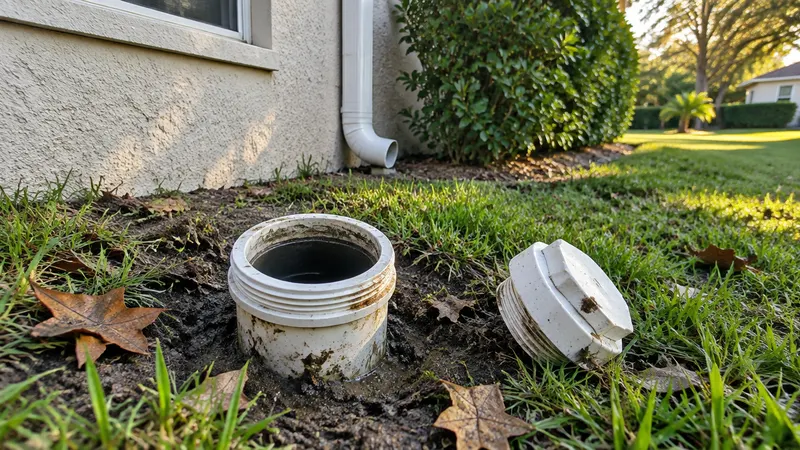
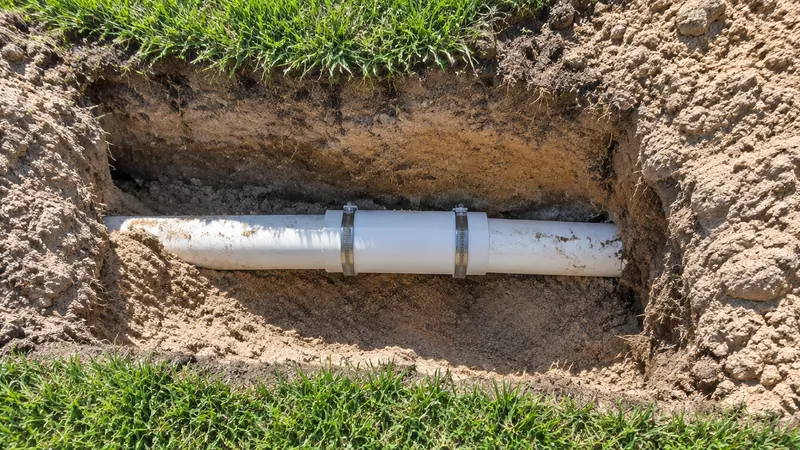
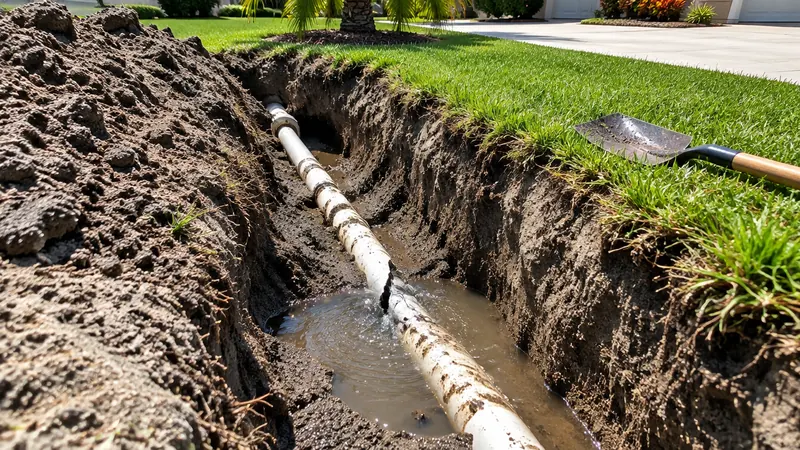
Wet ground in the yard can be either line. The meter test, the smell, the timing and the green grass tell you which one before you call a plumber.
Wet ground in the yard can be either line. The meter test, the smell, the timing and the green grass tell you which one before you call a plumber.
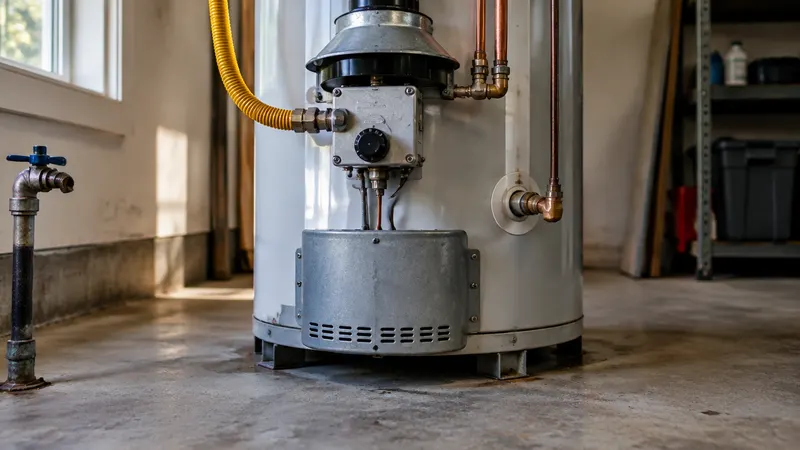
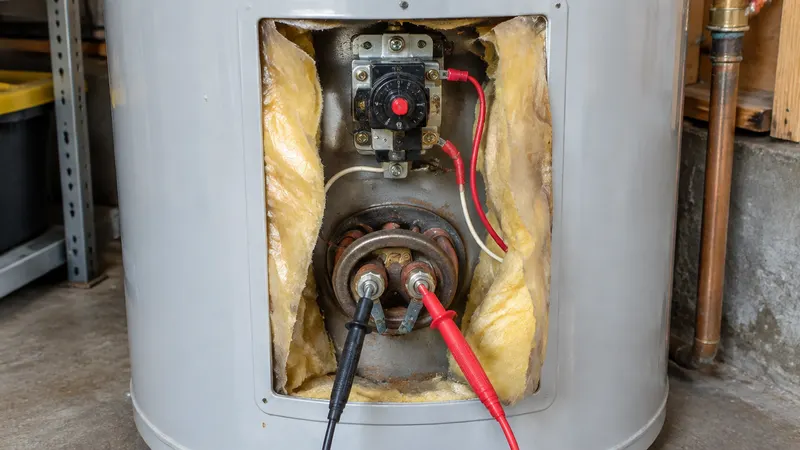
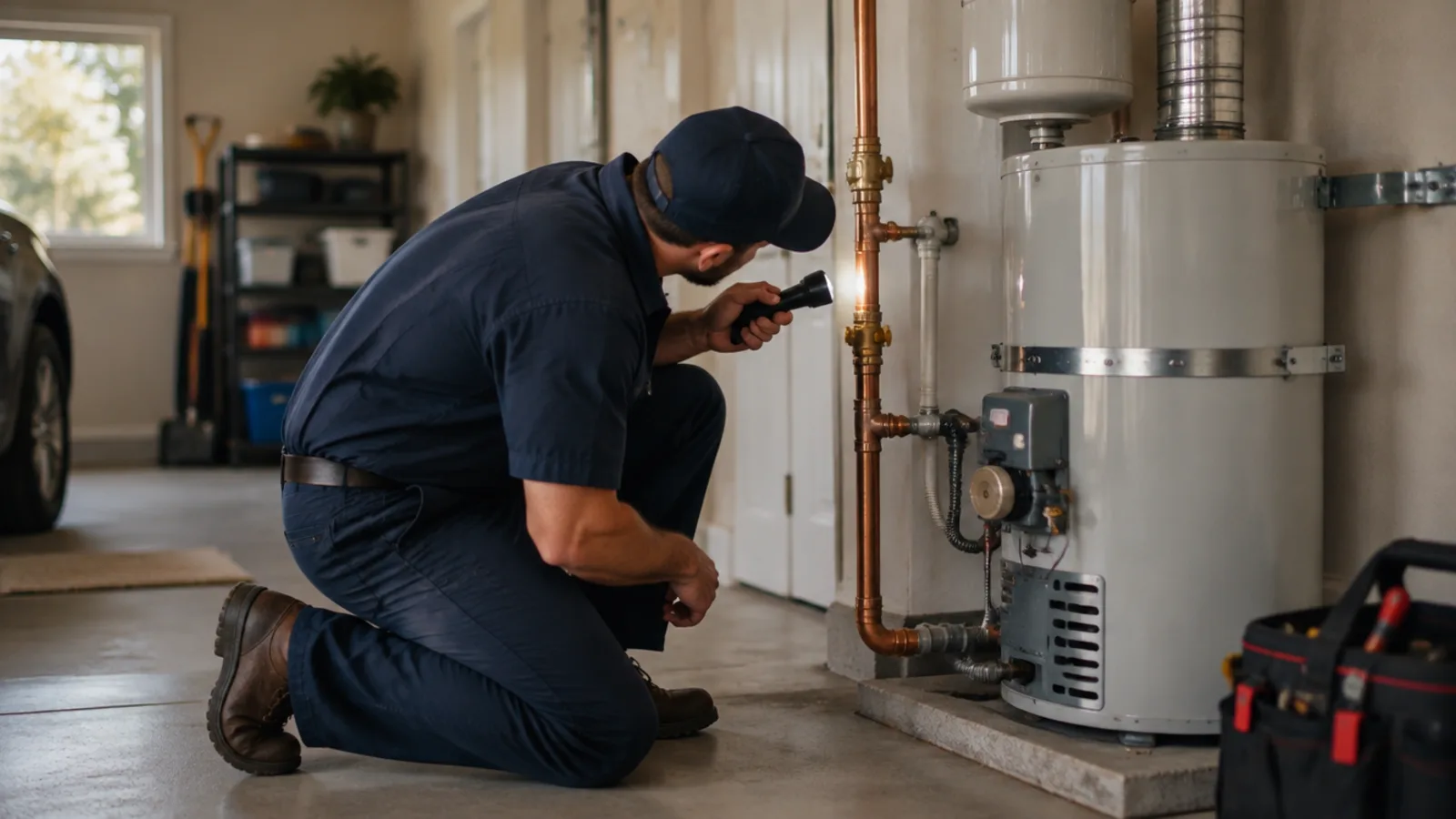
Why a gas water heater pilot will not stay lit, what trips the thermal switch, what a yellow flame means, and the one relight attempt that is safe to make.
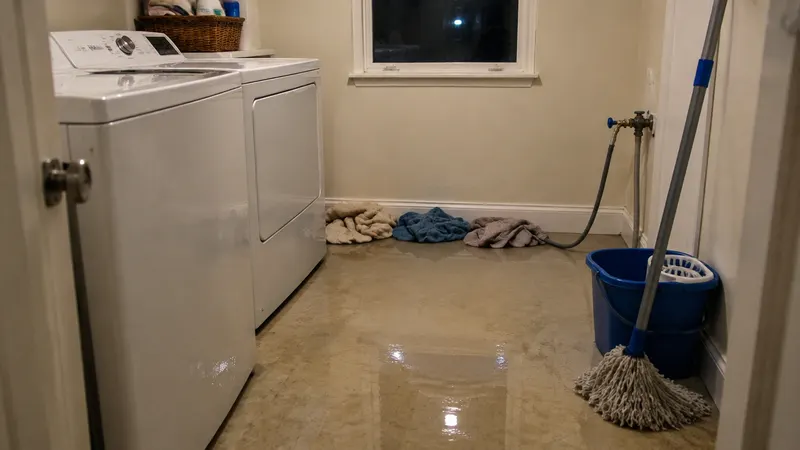
Water on the floor and a plumber on the way. Stop the water, cut the power, drain the lines, photograph it, and skip the moves that make it worse.
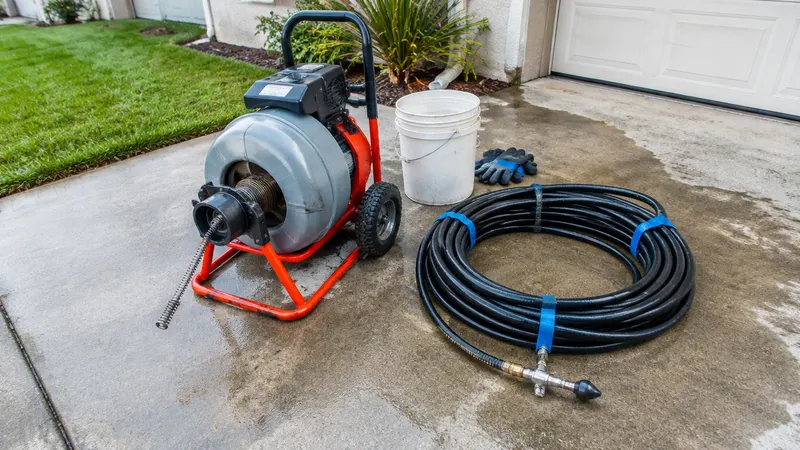
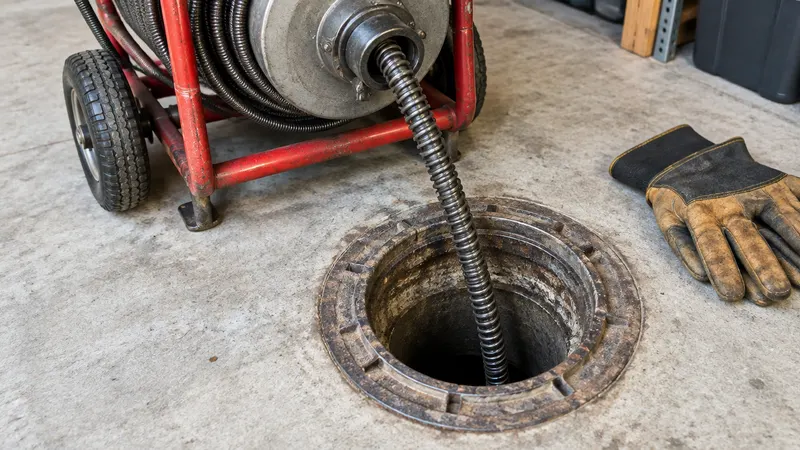
What a drain cable does, what hydro jetting does, why a line that keeps clogging usually needs jetting, and when jetting is the wrong call for old pipe.
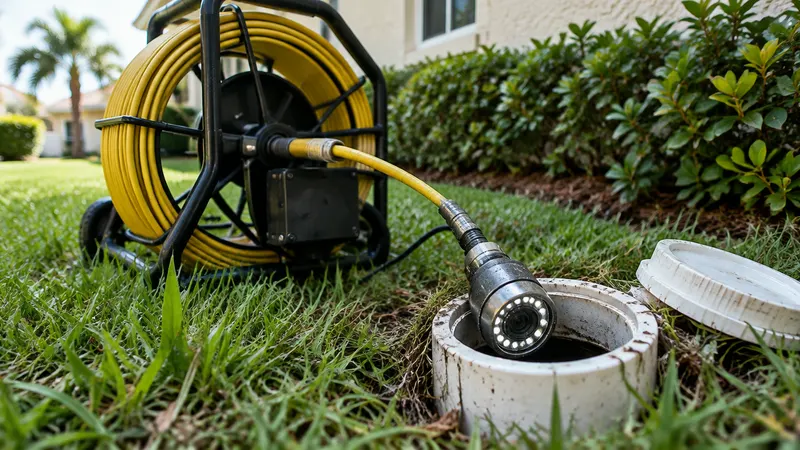
How a sewer camera gets into the line, what roots, bellies, offsets, cracks and collapses look like on screen, and why you should see the video yourself.
The order a whole-house repipe runs in, how water is staged so you are not dry overnight, what gets inspected, and who patches the drywall afterward.
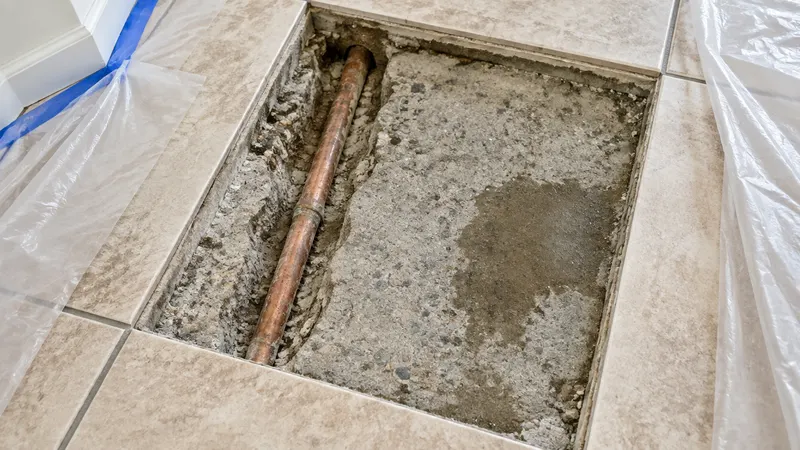
The three ways a leak under a concrete slab gets fixed — spot repair, rerouting the line, or repiping the run — and what points to each one in your house.
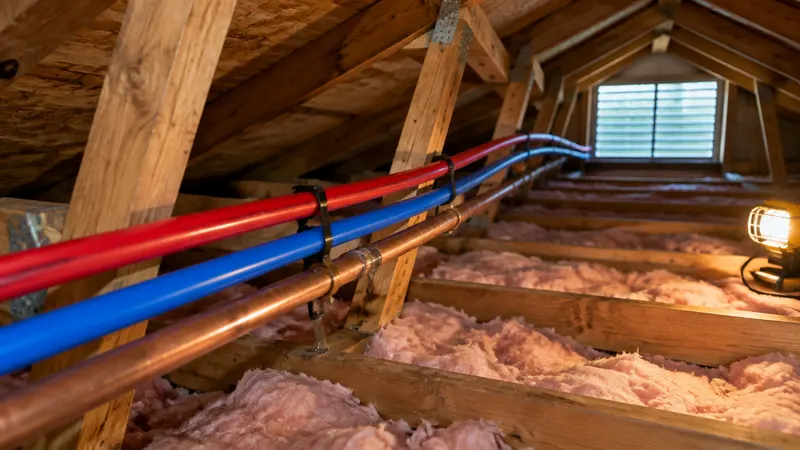
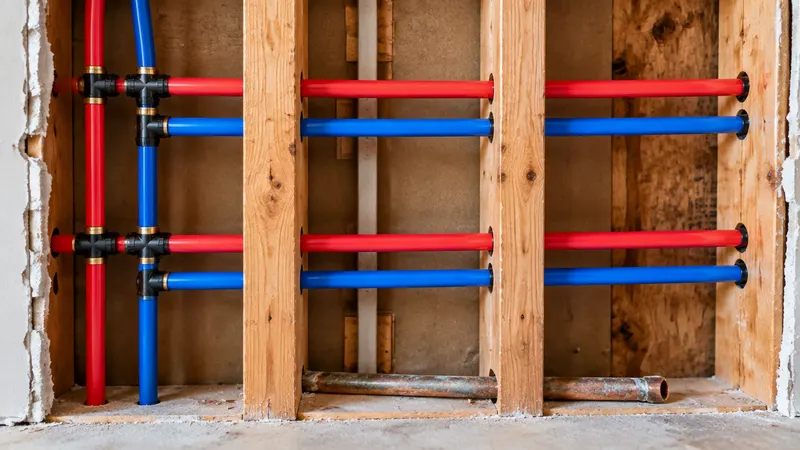
PEX or copper for a whole-house repipe in Florida: how each one runs, what it means for your drywall, and how water, attic heat and rodents change it.
Why the same drain blocks again after it was cleared: fixture clog versus main line, grease, wipes, scale, roots, vents, bellies, cable versus jetting.
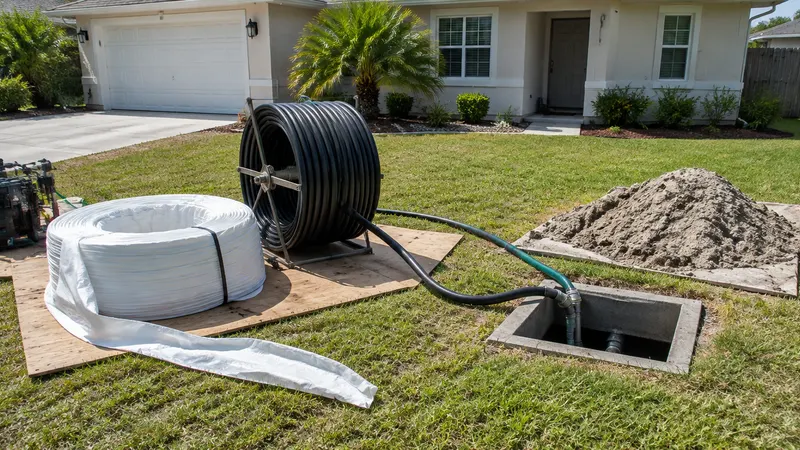
Pipe lining, pipe bursting and spot repair explained in plain terms: what each method needs, why a camera survey comes first, and when digging wins out.
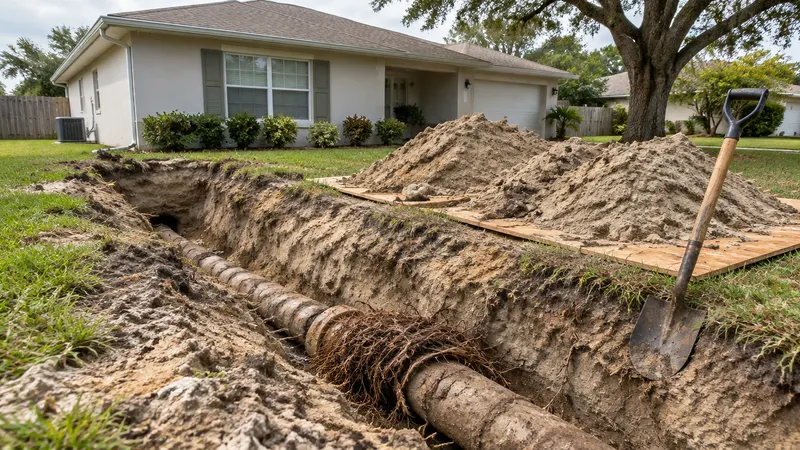
The handful of things that damage a sewer lateral — roots, soil movement, old pipe, grease, crushing — and the symptom each leaves behind.
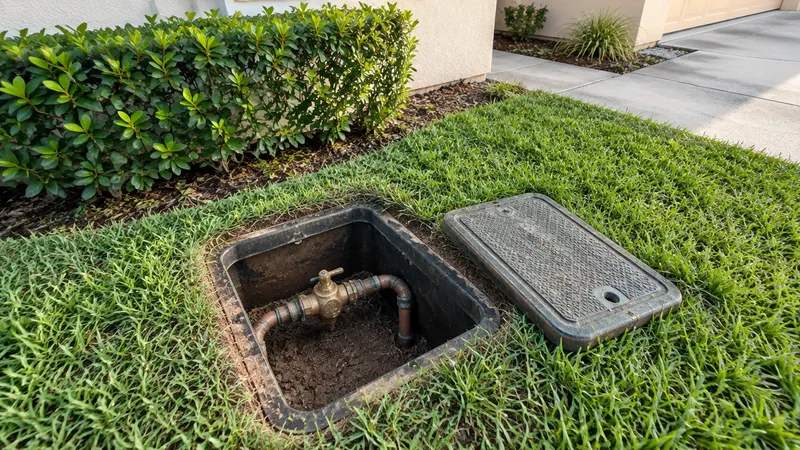
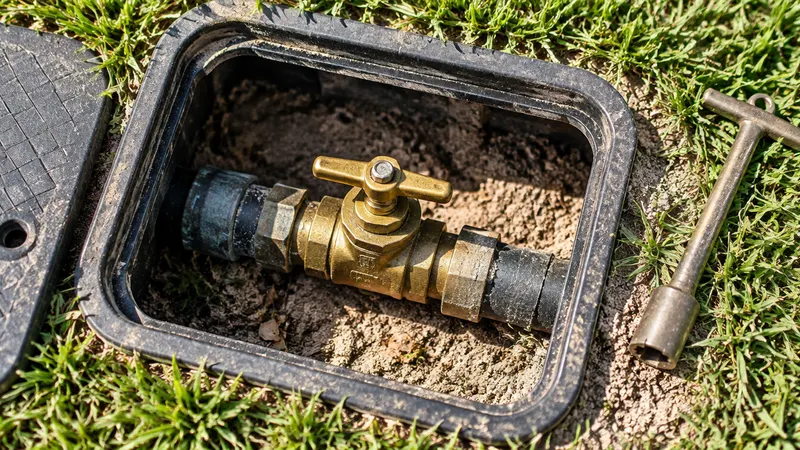
Where your main shutoff actually is on a Florida slab house, gate valve versus ball valve, and the fixture shutoffs that buy time before help arrives.
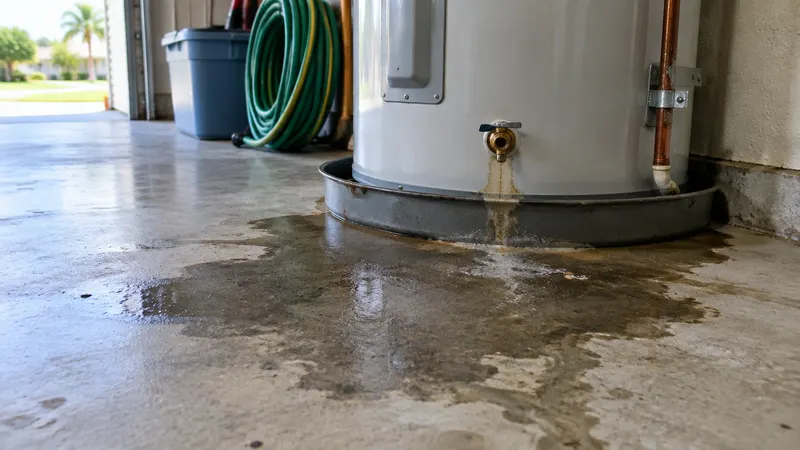
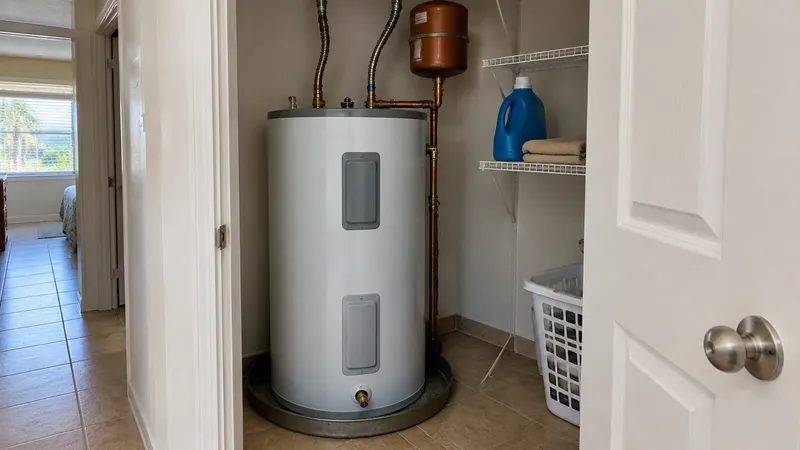
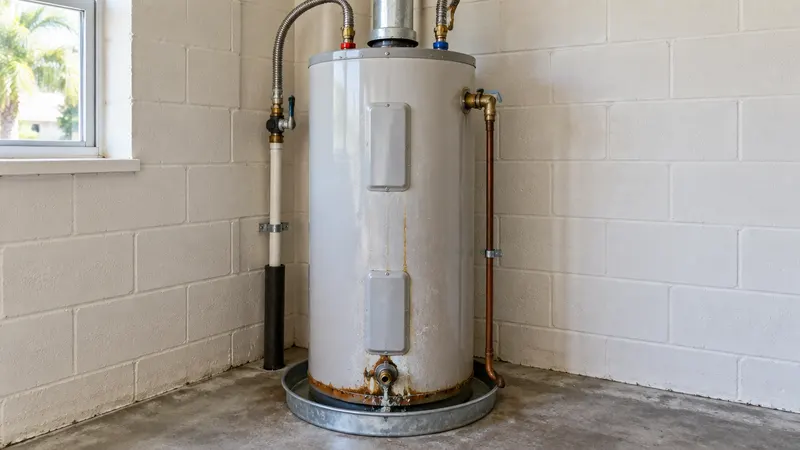
Water pooling under a water heater can come from a weeping relief valve, loose drain valve, condensation, or a rusted tank — the source decides the fix.
What no hot water, lukewarm water or hot water that runs out in minutes each point to on a gas or electric tank, and what is safe to check yourself.
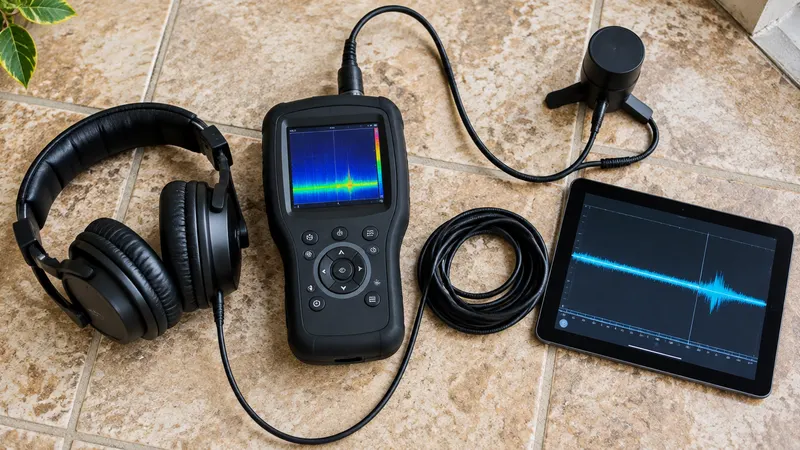
What acoustic listening, pressure testing and thermal imaging each find, why locating a leak properly means opening the floor once, not three times.
The signs that the pipe itself is failing rather than one joint — repeated pinhole leaks, discolored water, pressure dropping everywhere at once.
Which plumbing problems genuinely cannot wait until morning, which can, where your main shutoff is, and what to do in the first ten minutes.
How to tell one slow drain from a main line backup, why chemical drain openers damage older pipe, and when a repeat clog means the sewer line.
Which water heater faults are worth repairing and which mean the tank is finished — thermostats, elements, sediment, anode rods, and a leaking tank.
How to tell a blockage from a failed sewer line, what a camera inspection shows, roots and bellied pipe in Florida sand, and trenchless versus open-cut.
Realistic service life for tank and tankless water heaters, what cuts it short in Florida, the signs yours is near the end, and why a failure floods a house.
The signs of a slab leak — warm floor spots, running water with everything off, a bill that jumped, cracking — and how to tell one from a leak in the yard.
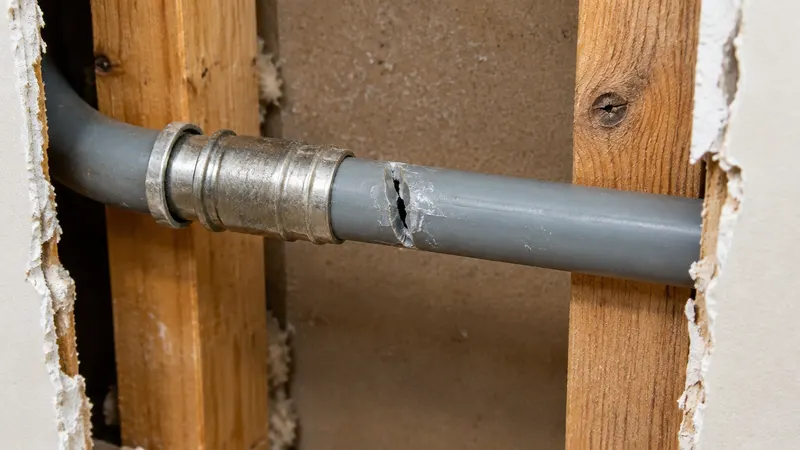
How to identify polybutylene pipe in a Florida home, why it fails, what it means for your insurance, and what a whole-house repipe actually involves.
Signs of a buried water leak, how to confirm it with your own meter in under an hour, and why slab leaks behave differently from a leak in the yard.